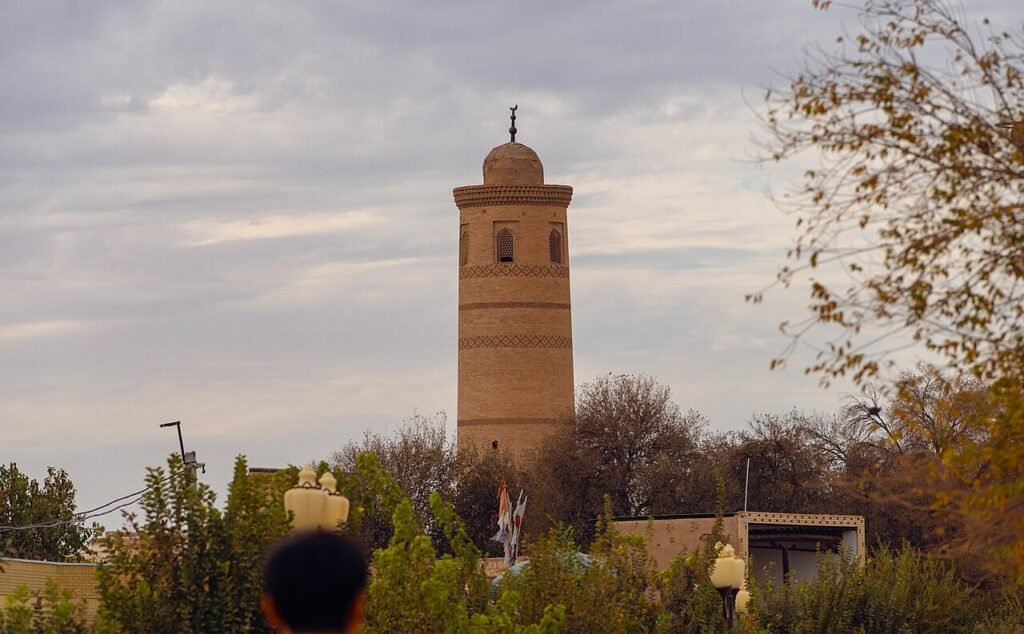
State Museum of History of Uzbekistan in Tashkent: Visitor Guide

Photo: Oqsaqol / Wikimedia Commons. CC BY-SA 4.0. Source: https://commons.wikimedia.org/wiki/File:State_Museum_of_History_of_Uzbekistan_1.jpg License: https://creativecommons.org/licenses/by-sa/4.0
The State Museum of History of Uzbekistan is the best broad introduction to the country’s long past before travelling to Samarkand, Bukhara or Khiva. Archaeological finds, coins, manuscripts, ethnographic objects and historical displays trace societies that developed across the territory from early settlement to the modern state.
Established in 1876, the institution is among the oldest major museums in Central Asia. Its collections are far larger than any single exhibition can display, so the visitor experience depends on the galleries currently open. Approach it as a framework for Uzbekistan’s chronology rather than a room-by-room checklist.
Why the museum matters
Uzbekistan sits at the meeting point of oasis cities, steppe routes and mountain corridors. The museum helps connect archaeological cultures, ancient states, Buddhist and Islamic heritage, long-distance exchange, dynastic periods and the social transformations of the nineteenth and twentieth centuries.
This overview prevents famous monuments from floating without context. Coins explain political authority and trade; ceramics show changing technology and taste; inscriptions and manuscripts reveal languages and intellectual life. Even a short visit provides reference points that reappear throughout the country.
Archaeology and numismatics
Archaeological holdings cover a very long time span and include material from settlements and cultural regions beyond the best-known Silk Road cities. Look for objects that demonstrate daily life as well as elite art: tools, pottery, fragments of architecture and small devotional works can communicate more than a single spectacular treasure.
The numismatic collection is particularly valuable for following changes in rule, economy and cultural contact. Images, scripts and metals on coins can be compared across centuries. If labels are brief, photograph only where permitted and note the site name and date for later reading.
Later history and cultural collections
Displays devoted to medieval and early modern periods provide context for the Samanids, Timurids, khanates and the artistic traditions visible in Bukhara, Samarkand and Khorezm. Ethnographic material may include clothing, textiles, household objects and ceremonial items from the country’s regions.
Modern-history galleries explain the Russian imperial and Soviet periods, independence and the formation of present-day institutions. Exhibition narratives can change during renovation or redisplay, so check the official museum information rather than relying on an old floor plan or travel review.
Planning the museum visit
Allow two hours for a first visit and choose one or two themes for closer attention. Ask whether English labels, guides or temporary exhibitions are available. Because gallery closures and building work can affect access, confirm opening status before making a special journey and avoid quoting outdated ticket prices.
Pair the museum with Independence Square or Amir Temur Square. Travellers focused on textiles, ceramics and woodcarving should also visit the State Museum of Applied Arts, which offers a more concentrated view of craft traditions.
Practical information
Tashkent is spread across a large urban area, so group sights by district instead of crossing the city repeatedly. The metro is usually the simplest way to connect the old city, central squares and museum district. Spring and autumn are comfortable for long walks; in summer, schedule open-air visits for morning or late afternoon. Religious complexes remain active places of worship, so wear modest clothing, speak quietly and follow any local photography instructions.
Before you go: Opening hours, ticket prices, restoration closures and photography rules can change. Confirm current conditions at the official ticket office, museum or your accommodation. Never climb on historic fabric, and ask permission before making close portraits of residents or vendors.
Frequently asked questions
When was the museum founded?
The institution dates to 1876 and developed through several names and locations before becoming the present national history museum.
What are its main collections?
Major strengths include archaeology, numismatics, manuscripts, historical documents and ethnographic material.
How long should a visit take?
Two hours gives a useful overview; specialists may want longer if all galleries are open.
Sources and editorial note
This independent guide was written in original language and fact-checked against the authoritative references below. It does not reproduce their text. Practical details should be rechecked close to the date of travel.
Featured photo: State Museum of History of Uzbekistan 1.jpg by Oqsaqol, Wikimedia Commons. CC BY-SA 4.0. Resized for display.