
State Museum of Applied Arts in Tashkent: Complete Visitor Guide

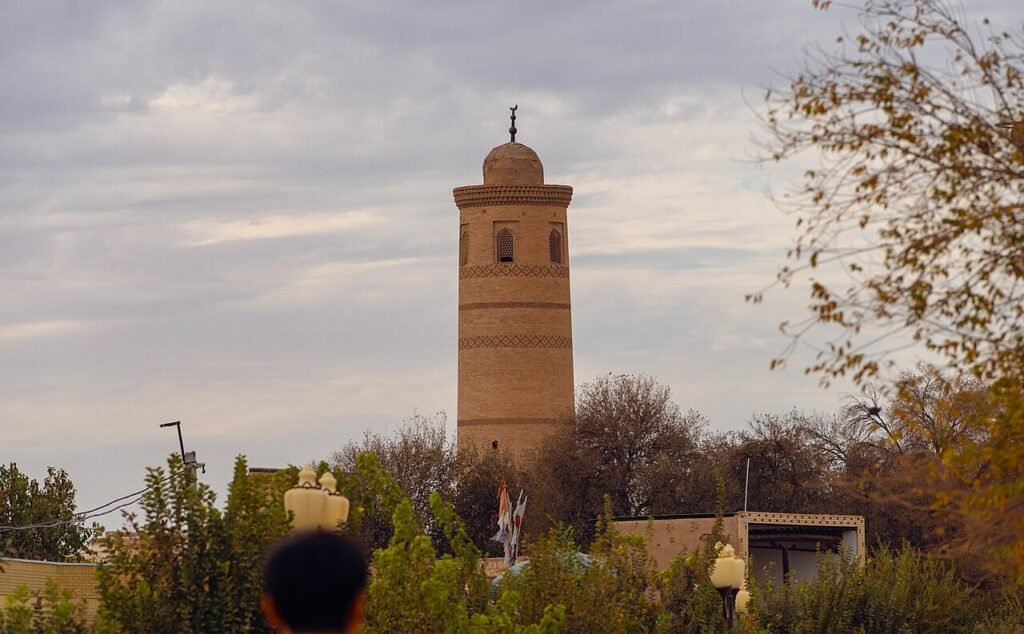
Featured photo: Tashkent museum of applied arts.jpg by Ehedaya at English Wikipedia, Wikimedia Commons. Public domain. Resized for display.
The State Museum of Applied Arts in Tashkent is one of the capital’s most rewarding museums for travellers interested in how Uzbek design is made. Its collection brings together ceramics, carved wood, jewellery, metalwork, carpets, embroidered suzani, gold embroidery, clothing, lacquered objects and musical instruments from regional craft traditions.
The setting is as memorable as the exhibits. Galleries occupy an ornate residence whose carved plaster, painted ceilings, wooden columns and intimate courtyards create a close dialogue between architecture and decorative art. Unlike a large chronological museum, this is a place to slow down and examine materials, patterns and techniques.
From craft exhibition to state museum
The institution began in 1927 as an exhibition devoted to works by master craftspeople. It later developed into a permanent museum and received state-museum status in 1977. The official tourism portal describes a collection of more than seven thousand objects spanning the early nineteenth century to the present.
That range allows visitors to see both continuity and change. Traditional motifs recur across textiles, ceramics and wood, yet their scale, colour and function vary by region and generation. The museum is therefore useful before travelling elsewhere in Uzbekistan: it teaches the eye what to look for in Bukhara embroidery, Khiva carving, Rishtan ceramics and Samarkand workshops.
Highlights of the collection
Suzani textiles are among the most immediately striking objects. Large embroidered compositions were made for domestic and ceremonial contexts, and their botanical and celestial forms differ across regional schools. Gold embroidery demonstrates another demanding technique, using metallic threads to build dense surfaces associated especially with Bukhara court culture.
Ceramics reveal distinctive glazes and vessel forms, while jewellery combines precious materials with protective and symbolic shapes. Carved wooden doors and columns reward close inspection because their geometric systems often create depth without relying on colour. Do not overlook smaller household objects: they show how artistic skill entered everyday life.
The decorated house
The museum building is often described as a work of applied art in its own right. Rooms display ganch carving, painted ornament and carved timber assembled by skilled masters. Notice how patterns frame doors, ceilings and niches, directing movement through spaces that feel more domestic than institutional.
Natural light changes the appearance of the ornament during the day. A morning visit can be quieter and gives time to examine the courtyard and façades before tour groups arrive. Interior photography rules may differ by room or exhibition, so check signs before taking close-up images.
Planning the visit
Allow about ninety minutes for a first visit, or two hours if textiles and craft processes are a central interest. Labels may vary in detail, making a guide or a little advance reading helpful. Temporary closures and ticket conditions can change, so verify current information locally before crossing the city specifically for the museum.
Continue the theme at Chorsu Bazaar, where contemporary textiles, ceramics and carved objects are sold, or compare the museum’s craftsmanship with decorative interiors in the Tashkent Metro. More route ideas appear in our Tashkent travel guide.
Practical information
Tashkent is spread across a large urban area, so group sights by district instead of crossing the city repeatedly. The metro is usually the simplest way to connect the old city, central squares and museum district. Spring and autumn are comfortable for long walks; in summer, schedule open-air visits for morning or late afternoon. Religious complexes remain active places of worship, so wear modest clothing, speak quietly and follow any local photography instructions.
Before you go: Opening hours, ticket prices, restoration closures and photography rules can change. Confirm current conditions at the official ticket office, museum or your accommodation. Never climb on historic fabric, and ask permission before making close portraits of residents or vendors.
Frequently asked questions
What does the museum display?
Its holdings include ceramics, jewellery, embroidery, carpets, clothing, woodcarving, painting, porcelain and musical instruments.
Is the building itself historic?
Yes. Its richly decorated rooms and courtyard are a major part of the experience.
How long should visitors allow?
Most travellers need 60 to 90 minutes; craft specialists may want closer to two hours.
Sources and editorial note
This independent guide was written in original language and fact-checked against the authoritative references below. It does not reproduce their text. Practical details should be rechecked close to the date of travel.
Featured photo: Tashkent museum of applied arts.jpg by Ehedaya at English Wikipedia, Wikimedia Commons. Public domain. Resized for display.