
Magoki Attori Mosque in Bukhara: History and Visitor Guide
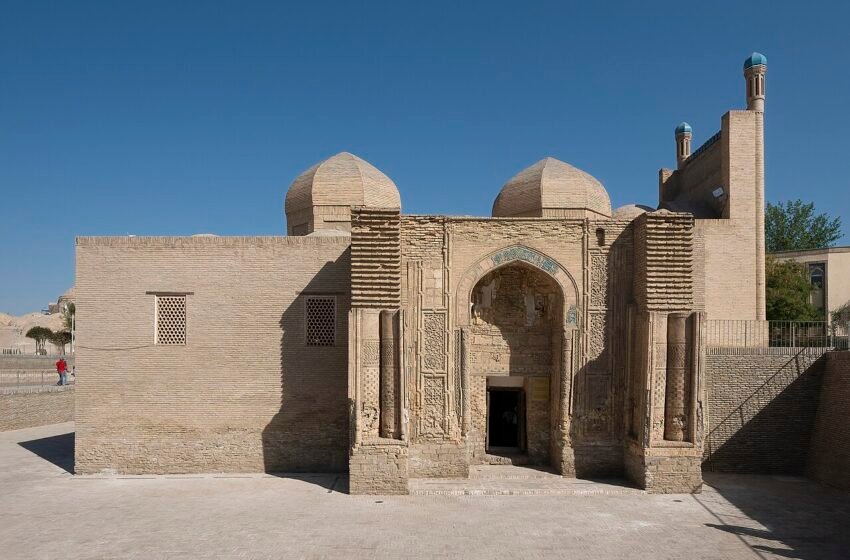
Photo: Petar Milošević / Wikimedia Commons. CC BY-SA 4.0. Source: https://commons.wikimedia.org/wiki/File:Mag%CA%BBoki_attori_masjidi_(%D0%9C%D0%B5%D1%87%D0%B5%D1%82%D1%8C_%D0%9C%D0%B0%D0%B3%D0%BE%D0%BA%D0%B8-%D0%90%D1%82%D1%82%D0%B0%D1%80%D0%B8,_%D0%91%D1%83%D1%85%D0%B0%D1%80%D0%B0,_Magok-i-Attari_Mosque).jpg License: https://creativecommons.org/licenses/by-sa/4.0
Magoki Attori is among the oldest and most layered monuments in Bukhara. Partly below the modern street level between Lyabi-Hauz and the trading domes, the former mosque preserves important medieval brick and terracotta work on a site associated with an even earlier market and traditions that predate Islam.
Its modest scale can be overlooked beside Bukhara’s grand minarets and madrasas. Yet the building is essential precisely because it records changes in ground level, worship, trade and urban memory across many centuries. It has also served as a carpet museum in modern times.
A sacred site beside the perfume market
The name is often connected with a sunken or excavated place and with attar, the perfumes and aromatics sold in the nearby bazaar. Historical traditions place earlier religious activity at or near the site. These accounts should be presented cautiously, but they reflect Bukhara’s long transformation from pre-Islamic oasis settlement to major Islamic city.
An early mosque was rebuilt and altered repeatedly. Much of the surviving southern portal is associated with the Karakhanid period, while later work changed entrances and interior use as street levels rose. The building visible today is therefore a record of adaptation rather than one perfectly preserved date.
The carved southern portal
The principal architectural highlight is the recessed southern façade, where carved brick and terracotta create bands of geometric and vegetal ornament. The decoration relies on depth, shadow and the warm colour of fired material instead of the extensive glazed tile found on later Bukharan monuments.
Walk down to the lower level to understand the original approach. From the present street, the portal appears compressed; from below, its proportions become clearer. Angled light brings out the relief, making morning or later afternoon preferable for close photography.
Mosque, monument and carpet museum
The building no longer functions like a principal congregational mosque. It has housed a carpet museum, connecting the historic interior with regional weaving traditions. Displays and institutional use may change, so verify current access rather than assuming that a particular collection will be installed.
If carpets are displayed, look beyond decorative pattern to structure, material and regional origin. Photography rules may protect textiles from flash or restrict certain galleries. Even when the interior is closed, the excavated exterior and portal remain worth studying.
A walk through Bukhara’s commercial core
Magoki Attori lies on the natural route from Lyabi-Hauz to the historic trading domes and Poi Kalyan. Allow thirty minutes for the monument rather than passing it while shopping.
Notice how the ground falls around the mosque and then rises toward later commercial buildings. This small change in level makes urban chronology visible. The Bukhara travel guide explains why the links between monuments matter as much as individual façades.
Practical information
Most landmarks in central Bukhara are close enough to explore on foot. Begin early, rest during the hottest part of the day and return toward sunset, when brick façades gain warmer colour. Comfortable shoes are essential because paving can be uneven. Mosques, madrasas and mausoleums may have separate ticket or access rules, and restoration work occasionally changes routes. Confirm current opening hours locally and treat prayer spaces with appropriate respect.
Before you go: Opening hours, ticket prices, restoration closures and photography rules can change. Confirm current conditions at the official ticket office, museum or your accommodation. Never climb on historic fabric, and ask permission before making close portraits of residents or vendors.
Frequently asked questions
Why is Magoki Attori below street level?
Centuries of rebuilding raised the surrounding city level, leaving the older portal and floor lower than today’s streets.
How old is the mosque?
The site has very early associations, while major surviving architectural elements belong to medieval rebuilding, especially the Karakhanid period.
What is inside today?
The monument has been used as a carpet museum, but exhibitions and opening arrangements should be checked locally.
Sources and editorial note
This independent guide was written in original language and fact-checked against the authoritative references below. It does not reproduce their text. Practical details should be rechecked close to the date of travel.
Featured photo: Magʻoki attori masjidi (Мечеть Магоки-Аттари, Бухара, Magok-i-Attari Mosque).jpg by Petar Milošević, Wikimedia Commons. CC BY-SA 4.0. Resized for display.