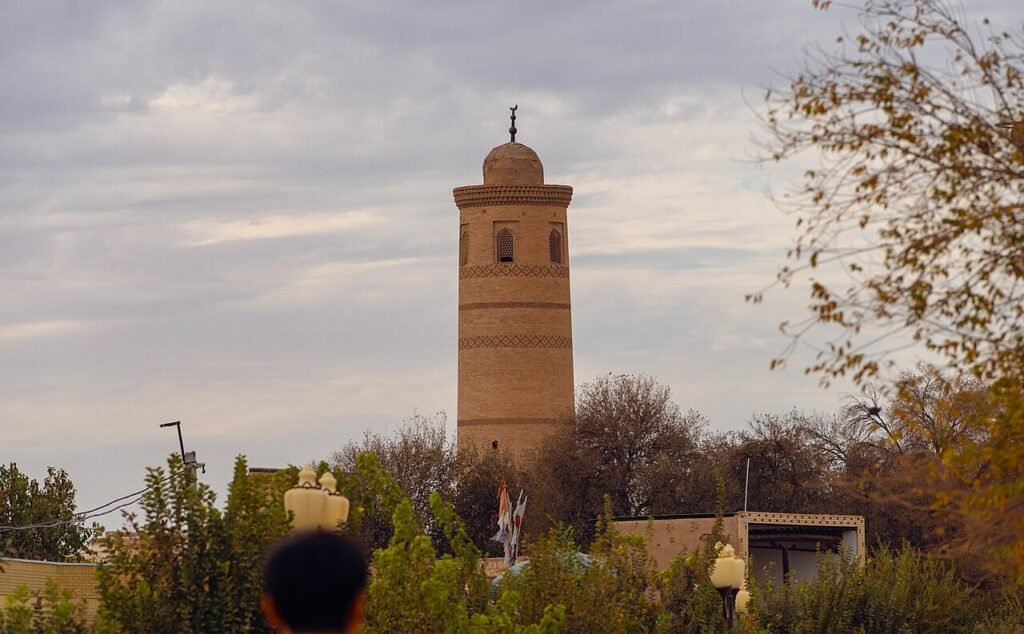

Chorsu Bazaar in Tashkent: What to See, Eat and Buy

Featured photo: Chorsu Bazaar in Tashkent 3.jpg by Adam Harangozó, Wikimedia Commons. CC BY-SA 4.0. Resized for display.
Chorsu Bazaar is one of the best places to encounter Tashkent as a living city rather than a collection of monuments. Beneath and around its large blue dome, traders sell meat, dairy products, spices, dried fruit, nuts, bread, fresh produce and household goods. The surrounding streets extend the market into workshops, small shops and informal food counters.
The word chorsu is associated with a crossroads or market intersection, an appropriate name for a commercial district with deep roots in the old city. The present domed market building is modern, but trading in this part of Tashkent belongs to a much longer urban tradition. That distinction matters: Chorsu is valuable because it continues to function, not because every visible structure is ancient.
Understanding the market layout
Start inside the central dome, then explore the specialised sections that spread beyond it. The lower and upper levels provide different perspectives on the colour and geometry of the stalls. Bread, prepared foods and produce may occupy separate areas, while clothing, crafts and everyday goods are more visible in surrounding passages.
The market can feel confusing on a first visit. Instead of trying to follow a fixed route, use the dome as a reference point and explore one section at a time. Keep valuables secure in crowded areas, leave room for porters and shoppers, and avoid stopping in narrow entrances to take photographs.
What to taste
Non bread, dried apricots, raisins, nuts, halva, dairy products and seasonal fruit make easy purchases. Prepared-food areas may offer plov, shashlik, soups, samsa and other Uzbek staples. Choose busy counters with steady turnover, ask the price before ordering and drink bottled or otherwise reliably treated water.
Markets are also a useful place to observe regional variety. Vendors may explain where fruit, rice, spices or ceramics come from, and even a short conversation can reveal connections between the capital and the Fergana Valley, Khorezm, Samarkand or mountain districts. A few courteous words and patience are more effective than aggressive bargaining.
Souvenirs and responsible shopping
Chorsu sells textiles, ceramics, carved wood, knives, small decorative objects and national clothing. Quality varies widely, so compare workmanship rather than buying the first item offered. Hand embroidery should show irregularities consistent with manual work; printed imitations will usually be cheaper and more uniform.
Ask sellers whether an object is newly made and avoid purchasing archaeological material, protected antiques or wildlife products. If an item is presented as old or culturally significant, request documentation and check export rules. For museum-quality context before shopping, visit the State Museum of Applied Arts.
Combining Chorsu with nearby sights
Kukeldash Madrasa stands close to the bazaar and provides an architectural counterpoint to the market’s modern dome. The Hazrati Imam Complex is also part of a logical old-city route. Allow at least half a day for all three rather than rushing between them.
Morning usually offers the liveliest food trade and more comfortable temperatures. If photography is important, ask individual vendors before making portraits and accept a refusal immediately. For transport and a wider itinerary, consult our Tashkent travel guide.
Practical information
Tashkent is spread across a large urban area, so group sights by district instead of crossing the city repeatedly. The metro is usually the simplest way to connect the old city, central squares and museum district. Spring and autumn are comfortable for long walks; in summer, schedule open-air visits for morning or late afternoon. Religious complexes remain active places of worship, so wear modest clothing, speak quietly and follow any local photography instructions.
Before you go: Opening hours, ticket prices, restoration closures and photography rules can change. Confirm current conditions at the official ticket office, museum or your accommodation. Never climb on historic fabric, and ask permission before making close portraits of residents or vendors.
Frequently asked questions
What is Chorsu Bazaar known for?
It is known for fresh produce, bread, spices, dried fruit, meat, dairy products, prepared food and a wide range of everyday goods.
Should visitors bargain?
Polite bargaining may be appropriate for crafts and some non-food goods, but it should remain friendly and proportionate.
When is the best time to visit?
Morning is generally the most active and comfortable period, especially in warmer months.
Sources and editorial note
This independent guide was written in original language and fact-checked against the authoritative references below. It does not reproduce their text. Practical details should be rechecked close to the date of travel.
Featured photo: Chorsu Bazaar in Tashkent 3.jpg by Adam Harangozó, Wikimedia Commons. CC BY-SA 4.0. Resized for display.