
Tashkent Travel Guide: History, Top Sights and Local Tips

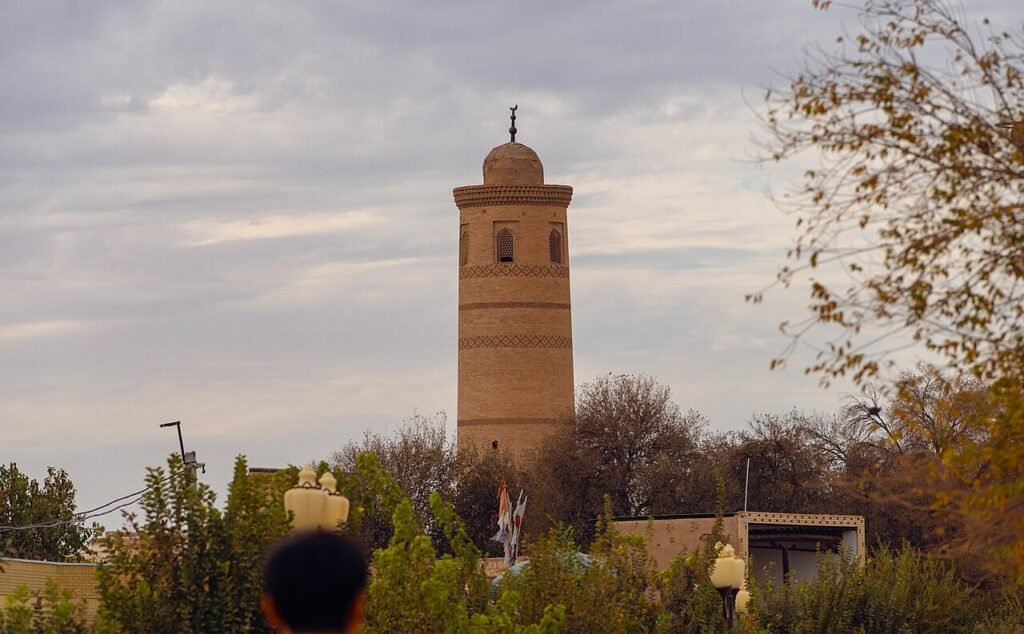
Featured photo: Tashkent skyline 2019.jpg by Guidecity, Wikimedia Commons. CC BY-SA 4.0. Resized for display.
Tashkent is often treated as a gateway to Uzbekistan, yet the capital deserves more than a quick transfer. It combines an ancient Silk Road identity with Soviet-era planning, ambitious contemporary architecture, lively markets and one of Central Asia’s most memorable metro systems. This Tashkent travel guide is designed for travellers who want to understand those layers rather than simply tick off a list of attractions.
The city is geographically larger and stylistically more varied than Samarkand, Bukhara or Khiva. Its strongest experiences are spread between the old-city neighbourhoods around Hazrati Imam and Chorsu, the monumental centre near Independence Square and Amir Temur Square, and a broad museum and arts circuit. With two or three well-planned days, visitors can see the essential landmarks while still making time for food, parks and ordinary urban life.
A city shaped by many eras
Tashkent’s history reaches back more than two millennia. Earlier names recorded for the settlement and region include Chach and Shash, reflecting its place between the settled oases of Transoxiana and routes leading toward the steppe and the Fergana Valley. Trade, scholarship and successive political powers all contributed to the city’s identity long before it became the capital of modern Uzbekistan.
A devastating earthquake in 1966 accelerated a major rebuilding programme. Broad avenues, apartment districts, public institutions and transport infrastructure reshaped the capital, while surviving quarters in the old city preserved a different scale of lanes, courtyards and religious buildings. Today, this contrast is not a flaw in the visitor experience; it is the key to understanding Tashkent.
Essential sights for a first visit
Begin with the Hazrati Imam Complex, the capital’s best-known religious ensemble. Continue to Chorsu Bazaar to experience the commercial rhythm of the old city, then walk toward Kukeldash Madrasa. In the modern centre, Amir Temur Square, Independence Square and the Navoi Theatre reveal very different chapters of civic architecture.
Do not treat the Tashkent Metro only as transportation. Its stations use marble, ceramics, mosaics, metalwork and lighting to express themes from literature, science, space exploration and national history. A short self-guided station tour can become one of the most distinctive parts of a day in the capital.
Museums, crafts and markets
The State Museum of History of Uzbekistan provides a broad chronological introduction, while the Museum of the Temurids focuses on the Timurid period and its legacy. For textiles, ceramics, jewellery, carved wood and embroidery, the State Museum of Applied Arts offers both a strong collection and an ornate historic interior.
At Chorsu Bazaar, the attraction is not only shopping. Bread halls, spice counters, dairy products, dried fruit and prepared-food sections show how the capital eats. Ask before photographing vendors, compare prices calmly and remember that the most interesting details are often found in the surrounding lanes rather than only beneath the central dome.
How many days to spend
One day is enough for a fast overview: Hazrati Imam, Chorsu, a few central metro stations and Amir Temur Square. Two days allow time for a major museum and a slower evening in the centre. With three days, add the Museum of Applied Arts, the Ming Urik archaeological site, a Soviet-modernist architecture route or an excursion toward the mountains east of the city.
Tashkent also works well as the beginning or end of a wider Uzbekistan itinerary. High-speed rail links the capital with Samarkand and Bukhara, while domestic flights and overnight trains connect more distant regions. Build some flexibility into the schedule, because station access, museum hours and intercity timetables can change.
Practical information
Tashkent is spread across a large urban area, so group sights by district instead of crossing the city repeatedly. The metro is usually the simplest way to connect the old city, central squares and museum district. Spring and autumn are comfortable for long walks; in summer, schedule open-air visits for morning or late afternoon. Religious complexes remain active places of worship, so wear modest clothing, speak quietly and follow any local photography instructions.
Before you go: Opening hours, ticket prices, restoration closures and photography rules can change. Confirm current conditions at the official ticket office, museum or your accommodation. Never climb on historic fabric, and ask permission before making close portraits of residents or vendors.
Frequently asked questions
Is Tashkent worth visiting?
Yes. It offers the country’s broadest mix of museums, markets, modern urban culture, religious heritage and twentieth-century architecture.
How long should a first-time visitor stay?
Two full days provide a balanced introduction; three days are better for museums, architecture and a relaxed pace.
What is the easiest way to travel around Tashkent?
Use the metro for longer movements and walk within individual districts. Official taxis are useful when sights are far from a station.
Sources and editorial note
This independent guide was written in original language and fact-checked against the authoritative references below. It does not reproduce their text. Practical details should be rechecked close to the date of travel.
Featured photo: Tashkent skyline 2019.jpg by Guidecity, Wikimedia Commons. CC BY-SA 4.0. Resized for display.