
Museum of Victims of Political Repression in Tashkent
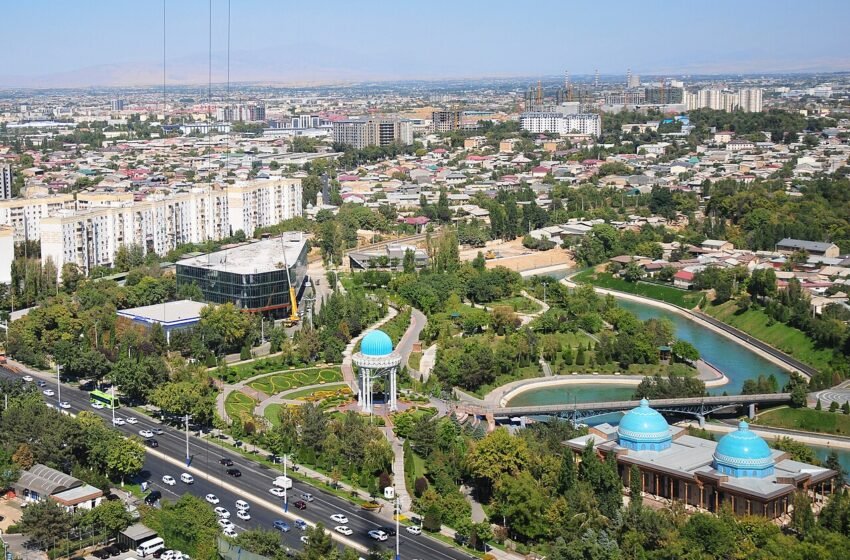
Featured photo: HSA 8814.jpg by Murodbek Yusupov, Wikimedia Commons. CC BY-SA 4.0. Resized for display.
The Museum of Victims of Political Repression in Tashkent is a place for slow, attentive visiting. Set within the Shahidlar Xotirasi, or Memory of Martyrs, memorial complex near the Tashkent TV Tower, it explores the lives and experiences of people affected by colonial rule, Soviet political persecution and later campaigns of repression. The museum is not a conventional sightseeing stop: its purpose is remembrance, historical education and the recovery of voices that were silenced.
Why visit the museum
The museum offers an important counterpoint to Tashkent’s grand avenues, modern districts and historic monuments. Its central subject is political repression in the territory of present-day Uzbekistan, presented through documents, photographs, personal belongings, published materials and historical interpretation.
The exhibition addresses both well-known figures and less visible victims. Writers and intellectuals such as Abdulla Qodiriy, Fitrat and Cho‘lpon are associated with the history of persecution, but the museum’s broader message concerns entire communities affected by arrests, forced policies, exile, imprisonment and fabricated accusations.
For international visitors, the museum is particularly useful because it places Uzbek history within larger twentieth-century themes: imperial expansion, national revival, the rise of Soviet power, collectivisation, Stalin-era terror and the political campaigns of the late Soviet period. Allow at least one hour for the museum itself, and longer if you read translations carefully.
History and memorial setting
The museum was established in November 2002 as a place to preserve the memory of people who fought for freedom and independence, or who became victims of mass political repression during the totalitarian period. It stands in the Shahidlar Xotirasi park in Yunusabad District, on Amir Temur Street, close to the Tashkent TV Tower.
The building is recognisable for its domed form and open terrace. According to Uzbekistan’s official tourism information, the museum began with a single exhibition hall and was later expanded. The present building has three exhibition halls covering approximately 960 square metres. Recent official reporting also describes reconstruction, expanded displays and the introduction of digital technologies, so the appearance and interpretation may continue to develop.
The surrounding memorial complex matters as much as the building. Visit the park before or after entering the museum, and take time to observe the quiet landscape, symbolic architecture and commemorative atmosphere. This is a place of public memory rather than a purely architectural attraction.
What to see inside
The permanent display is organised around ten broad historical sections. Together, they create a chronological framework, although the experience is strongest when you pause over individual documents and biographies rather than trying to absorb every date.
- Colonial rule and resistance: the exhibition introduces the expansion of Tsarist Russia into Central Asia and local responses to it.
- National revival and Jadidism: visitors encounter the reformist and educational movements that sought cultural renewal, modern schooling and social progress.
- The early Soviet period: displays cover the liquidation of the Turkestan Autonomy and the emergence of Soviet repressive policies between 1917 and 1924.
- Armed resistance and state violence: the museum examines uprisings and conflicts in Central Asia during the early Soviet years.
- Collectivisation and dispossession: one section considers the social consequences of forced collectivisation and campaigns against supposedly wealthy peasants.
- Repression in the 1930s: the early 1930s and the especially severe purges of 1937–1938 receive separate attention.
- Later Soviet persecution: the exhibition continues through the 1940s and 1950s, then reaches the 1980s and the so-called “cotton affair” or “Uzbek case”.
- Historical justice after independence: the final section addresses remembrance, rehabilitation and the preservation of national values after 1991.
Look for the human scale of the exhibition: names, photographs, handwriting, official papers and traces of interrupted careers. These details help explain how repression affected families, education, literature, public administration and everyday life.
How to plan your visit
Location and orientation
The address is given as the Shahidlar Xotirasi square or memorial park on Amir Temur Street in Tashkent. The Tashkent TV Tower is the main landmark used for orientation. You can combine the museum with other northern Tashkent sights, but leave enough time to approach the memorial complex without rushing.
A visit pairs naturally with the Tashkent TV Tower, especially if you want to contrast the city’s technological and modern image with a site devoted to historical memory. The Prince Romanov Palace and the Courage Monument can also help build a wider itinerary around Tashkent’s imperial, Soviet and post-Soviet history.
Opening hours
Official tourism listings currently give the museum’s usual hours as 09:00–17:00, Tuesday to Sunday, with Monday as the weekly closing day. Another official listing gives different weekday hours, and special schedules may apply during public holidays or commemorative events. Opening times can change, so verify them shortly before visiting, particularly if you are travelling across town for an early or late entry.
No reliable current ticket price was identified in the consulted official sources. Check locally or contact the museum before your visit if admission fees, guided tours or language support are important to your plans.
Etiquette, photography and access
Dress respectfully and keep your voice low, especially around memorial spaces and photographs of victims. The museum deals with imprisonment, executions, forced policies and the destruction of intellectual and family life; it deserves a more contemplative manner than a typical recreational attraction.
Photography rules are not clearly stated in the official tourism information consulted. Ask staff before photographing documents, portraits or exhibits, and never assume that flash photography is acceptable. If you are travelling with children, explain the subject in advance and decide whether the material is appropriate for them.
Accessibility information is also limited. The building includes exhibition halls and a terrace, but details about ramps, lifts, toilets and seating are not consistently published. Visitors with mobility needs should contact the museum or a local guide before arrival. Comfortable shoes are useful because the memorial park is best experienced on foot.
Nearby ideas
For a broader understanding of Uzbekistan’s political, cultural and social history, continue to the State Museum of History of Uzbekistan. Its collections extend beyond the modern period and can provide useful context for the country’s longer historical development.
If you prefer to explore Tashkent through its public spaces, consider adding Independence Square or the Amir Temur Square and Museum to another day’s itinerary. These places present different official narratives of the city, making comparison worthwhile for visitors interested in how history is remembered in public.
Frequently Asked Questions
Where is the Museum of Victims of Political Repression in Tashkent?
It is in the Shahidlar Xotirasi memorial complex on Amir Temur Street in Yunusabad District, near the Tashkent TV Tower.
How long should I spend there?
Plan on about one hour for a focused visit. Allow 90 minutes or more if you read the exhibition carefully and walk through the surrounding memorial park.
Is the museum suitable for children?
Older teenagers may find it valuable as a history visit, but the subject includes political violence, imprisonment and death. Parents and teachers should judge suitability in advance and explain the context sensitively.
Can I take photographs inside?
Photography rules may vary, and the official tourism listings consulted do not clearly specify them. Ask museum staff before taking photographs, particularly of documents, portraits or temporary displays.
Sources and further reading
- Uzbekistan Travel: Museum of Victims of Repressions
- Uzbekistan Travel: Museum of Victims of Political Repression in Tashkent brochure
- Government of Uzbekistan: Courage of our selfless ancestors
- uzbekistan.travel
- uzbekistan.travel
- uzbekistan.travel
Featured photo: HSA 8814.jpg by Murodbek Yusupov, Wikimedia Commons. CC BY-SA 4.0. Resized for display.